
WHICH DISEASES?
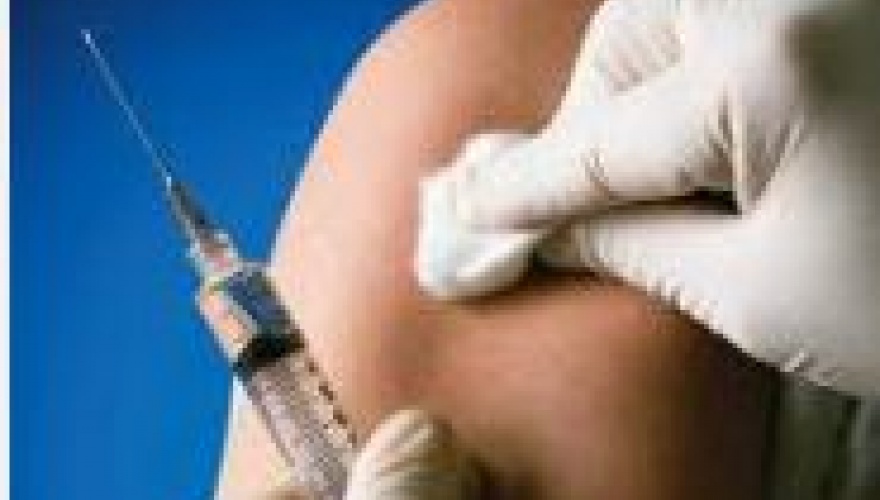
Vaccination is carried out in many countries as a regular part of healthcare. Vaccines are usually given to babies and young children so that they are protected from diseases as soon as possible. Vaccines exist for many diseases, including chicken pox, measles, mumps, rubella, polio, diphtheria, tetanus, and whooping cough. Some of these vaccines are given to almost everyone. Others are given only to people who are considered likely to get the disease, perhaps because of where they live or their age. Several l vaccines may be given at the same time as a combined vaccine.
For example, the MMR vaccine protects against measles, mumps, and rubella. Some vaccines only make you immune for a few months or years. They include vaccines against typhoid fever, cholera, tetanus, and yellow fever. They may need a "booster" dose later to keep up the immunity.
PROBLEMS WITH VACCINES
Sometimes giving a vaccine to a person may cause health problems. These problems are known as side effects, and they can be serious. People who have certain illnesses and conditions are more likely to have side effects. So medical workers ask questions about health before giving vaccines. Once in awhile, they advise people not to get vaccinated. Medical workers must balance the risks of catching the disease with the risks of possible side effects of vaccination.
CHANGINGVIRUSES
Viruses can change, or mutate, over time. A vaccine against one strain of a mutated virus may not work against another strain. The flu (influenza) is one of these viruses that mutate into different strains. A new vaccine for the flu has to be developed every year. Every now and then a new kind of germ appears. One example is HIV (Human Immunodeficiency Virus), which causes a disease called AIDS (Acquired Immune Deficiency Syndrome). No one knew about HIV until the 1980s.When new viruses appear, medical scientists try to develop new vaccines against them. It is a long and difficult process. But vaccination is one of our most powerful medical weapons in the battle against diseases.
This article was culled from the publications of Deen Communication Limited